Undertone
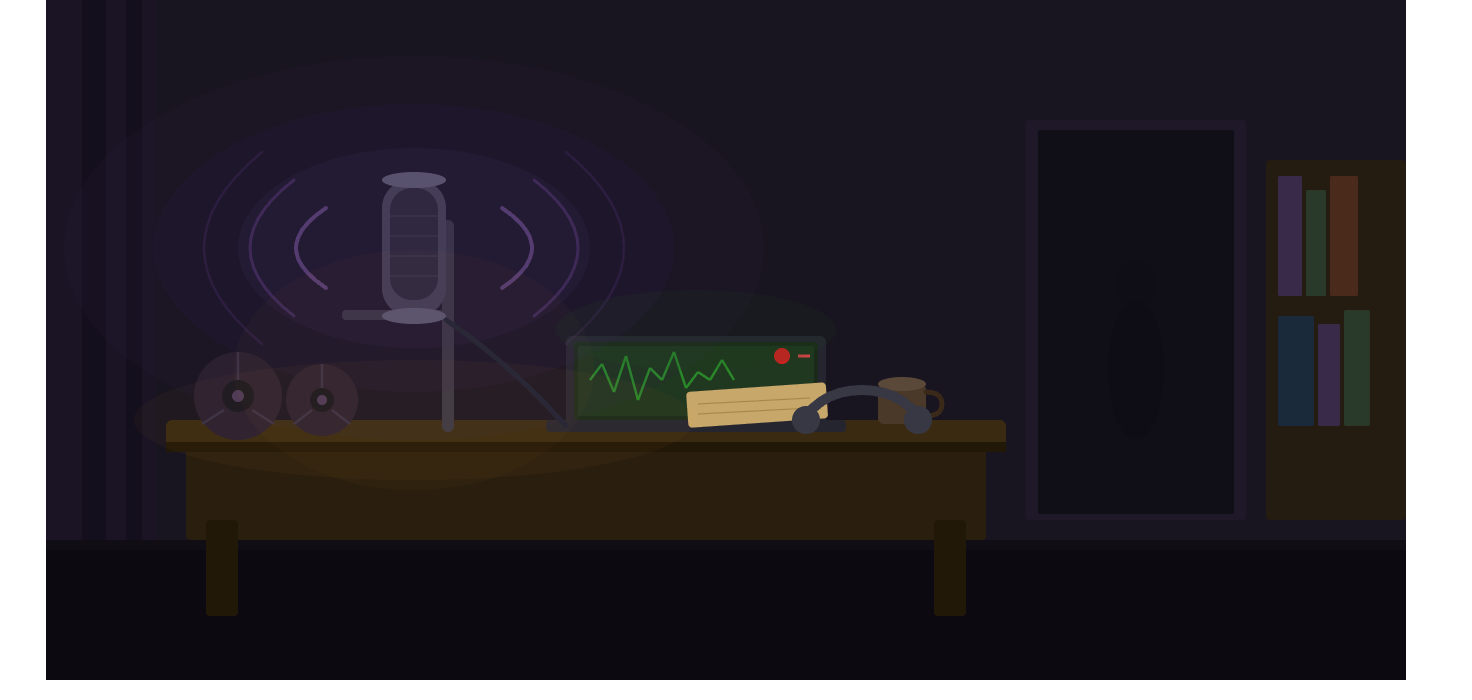
Undertone is an A24 horror film from director Ian Tuason, released in March 2026. It cost $500,000 to make and has grossed over $21 million. That math tells you something about what kind of horror this is.
The setup: Evy (Nina Kiri) is a young woman who has moved back home to care for her comatose mother. To pay the bills and pass the time, she co-hosts a paranormal podcast called The Undertone with her friend Justin — she’s the skeptic, he’s the believer. One day they’re sent a collection of ten anonymous audio recordings of a couple experiencing increasingly disturbing things in their home. They decide to play the files on the podcast, one by one. Things escalate from there.
The film’s central constraint — and its central trick — is that Evy and her mother are the only two characters ever shown on screen. Everyone else, including Justin, exists only as a voice. All the horror is conveyed through sound: what Evy hears, what we hear, and what we’re left to imagine. It’s a genuinely smart approach, and Tuason pulls it off. The sound design does most of the heavy lifting and it’s effective. There were moments where I was acutely aware of the audio in a way I’m not during most horror films.
I’d give it a solid B.
The Blair Witch comparison is fair and I don’t mean it as a slight — that film also understood that what you don’t see is scarier than what you do. Undertone has that same quality. The tension builds slowly and the ending lands ambiguously, which is either the point or a frustration depending on what you’re looking for. Critics are split roughly along those lines: 74% on Rotten Tomatoes, a C from audiences on CinemaScore. The people who wanted more plot left disappointed. The people willing to sit in the dread came away unsettled.
I’ve been reading the Reddit threads since watching it, and the theory I find most compelling — and the one that the film seems to be quietly constructing from the beginning — is that Evy is experiencing a full psychological breakdown following her mother’s death. The fact that we never see anyone except the two of them, that Evy’s isolation is total, that the horror seems to emanate from the house itself rather than from any external source — it all fits. The film is careful never to confirm this, which is the right call. The ambiguity is the point.
Worth watching, preferably on a decent sound system in a dark room. I watched it on an iPad, which meant I missed the full Dolby Atmos experience that people who caught it in theaters raved about. For a film where sound is doing this much work, that’s a real caveat — I suspect it hits considerably harder in a proper cinema. Not for people who need their horror questions answered.